
Healthcare providers are making significant investments in internet marketing in today’s digital-first environment in order to improve patient experiences, draw in new patients, and raise brand awareness. However, many clinics, hospitals, and healthcare companies continue to struggle to produce consistent outcomes despite the use of sophisticated tools, social media campaigns, SEO, and sponsored advertisements. The absence of the appropriate CRM software is the issue, not the approach itself.
Most healthcare digital marketing initiatives fail to turn leads into actual appointments, lose focus, and miss opportunities in the absence of a clever, healthcare-focused CRM. Let’s figure out why.
1. Healthcare Digital Marketing Needs Patient-Centric Data—Without CRM, It’s Impossible
Patient data is the foundation of effective healthcare digital marketing. Clinics must comprehend:
- What patients look for
- Which services do they favour?
- Which campaigns generate high-quality leads?
- Where leads disappear
- Why do people make appointments?
This information is still dispersed over spreadsheets, emails, website forms, WhatsApp conversations, and front desk records in the absence of a CRM.
By consolidating all patient data into a single, integrated system, the appropriate CRM improves the intelligence, speed, and targeting of your marketing.
2. Missed Follow-Ups = Lost Patients
Eighty percent of healthcare leads, according to studies, never convert because no one follows up promptly.
Manual follow-ups are laborious, erratic, and prone to mistakes. High lead volumes are too much for receptionists to handle. Physicians are too busy to keep track of reminders. Marketers are unable to pursue every inquiry.
This is resolved by a healthcare CRM by:
- Automating reminders for follow-up
- Providing prompt answers to questions
- Real-time tracking of lead status
- Notifying employees when necessary
To put it briefly, CRM makes sure that no patient is lost, increasing the effectiveness of your healthcare digital marketing.
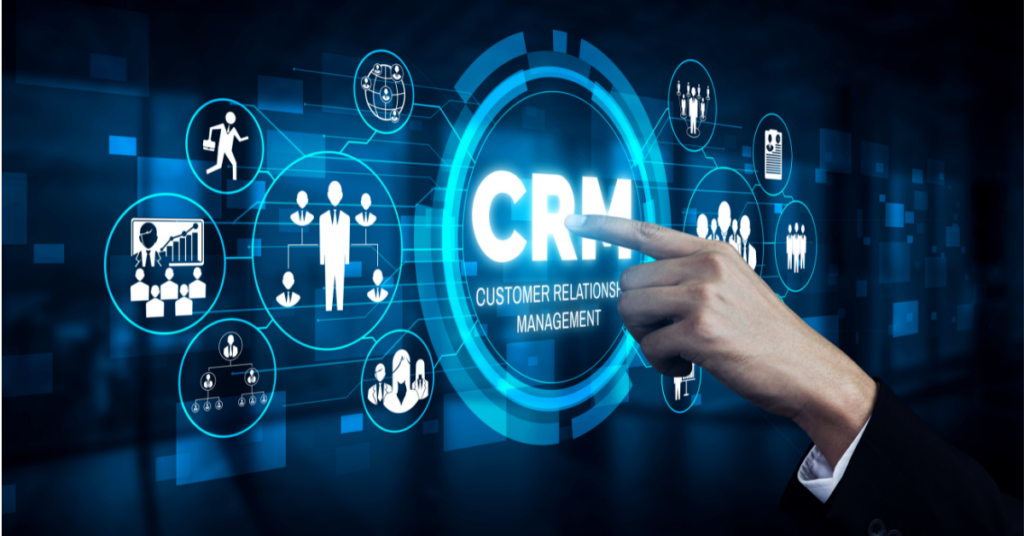
3. No Personalisation Means No Patient Trust
Patients want healthcare brands to communicate with them in a personalized way. However, personalisation is nearly impossible without a CRM.
You can develop customised experiences with the aid of a healthcare CRM by storing:
- History of the patient
- Source of enquiry
- Interests in services
- Previous therapies
- Dates of follow-up
- Preferred method of communicating
- Clinics can use this information to send customized emails.
- Specific updates on WhatsApp
- Reminders for services
- Post-consultation messages for care
One of the most potent forces in healthcare digital marketing is trust, which is developed through personalisation.
4. You Can’t Measure Marketing ROI Without CRM
Clinics’ ignorance of what works and what doesn’t is one of the main reasons healthcare digital marketing fails.
ROI cannot be calculated if you are unaware of:
- Which campaigns resulted in actual appointments?
- Which platforms produce high-quality leads?
- The number of leads that become patients
- The expense of acquiring a single patient
From the initial click to the last visit, a CRM keeps track of every step of the patient experience.
This enables healthcare companies to invest more in campaigns that generate leads rather than squandering money on underperforming ones.
5. Slow Response Time Kills Conversions
In the healthcare profession, response speed is everything.
Patients seeking:
- dental appointments
- cosmetic operations
- Skin consultations
- therapies for infertility
- diagnostic examinations
I won’t wait hours to hear back.
Through automation, a CRM guarantees immediate lead capture and prompt response. When a form is submitted, your team is promptly informed.
- A WhatsApp message shows up.
- An advertisement creates a lead.
- Higher booking rates are the result of quick responses.
The outcomes of your healthcare digital marketing can be doubled just by doing this.
6. Marketing and Front Desk Teams Become Disconnected Without CRM
The majority of marketing failures in the healthcare industry are caused by a lack of real-time information sharing between the marketing and reception teams.
- Leads are produced by marketing.
- Appointments are booked with the front desk.
- However, both teams seldom maintain alignment.
- A CRM facilitates communication between the two parties by enabling shared dashboards.
- updates on leads in real time
- Scheduling appointments within CRM
- performance evaluations for each campaign
Conversions rise and operations become more seamless when everyone has access to the same data.
7. Lead Leakage Is Inevitable Without CRM Automation
In healthcare, leads come from multiple channels:
- Google Ads
- Facebook Ads
- Instagram
- Website
- WhatsApp
- Phone calls
- Chatbots
- Walk-ins
Without CRM automation, many leads get:
- lost
- ignored
- forgotten
- Duplicated
A CRM ensures 100% correct data for your healthcare digital marketing by instantaneously and automatically capturing every lead from every channel.
8. Weak Patient Retention = Low Lifetime Value
The majority of clinics exclusively treat new patients.
However, astute healthcare companies understand that patient retention is where true profitability is found.
Without a CRM, you are unable to keep up:
- Recall visits
- Reminders for check-ups
- Plans for treatment follow-up
- post-appointment comments
- campaigns for re-engagement
All of this is automated via a CRM.
Your healthcare digital marketing outcomes can be increased by up to 40% with just retention programmes.
9. Compliance and Data Security Become Risky Without CRM
Healthcare data must adhere to stringent regulations since it is sensitive.
Patient data is in danger when leads are manually managed using Excel or WhatsApp.
A CRM for healthcare offers:
- Storage that is encrypted
- Safe communication
- Control of access
- Compliance with patient privacy
A key component of successful healthcare digital marketing is the development of trust, which is facilitated by secure technologies.
10. CRM Makes Every Digital Strategy Stronger
When you integrate CRM with your marketing, everything becomes more effective:
- Marketing Activity
- Without CRM
- With CRM
- Google Ads
- Low conversions
- High-quality tracking & bookings
- Social Media
- Lots of leads, low results
Automated follow-ups convert more.
- SEO
- Traffic but no insights
- Insights into what patients search
- Email Marketing
- Low open rate
- Personalised, segmented messages
- WhatsApp Marketing
- Manual, slow
- Automated journeys & reminders
This is why the most successful healthcare digital marketing strategies rely on CRM as their backbone.
Final Thoughts
Your advertisements, content, or budget are not the issue if your healthcare digital marketing isn’t producing the desired outcomes. The appropriate CRM software is the missing component.
A CRM with a healthcare focus assists you:
- Seize each lead
- React right away
- automate processes
- monitor ROI
- keep more patients
- raise conversion rates
- Customise correspondence
To put it simply, healthcare marketing is not complete without CRM.